01. Strategy & Concept
We pin down where a Synth makes the difference: brand, audience, goals and KPIs. Then we design the personality, the voice and the visual identity.
Digital humans are
the new face of
communicatie.
The face of your brand, in every conversation.
A digital human is a digital personality with a face, a voice, a character of its own and a brain. They hold real conversations, answer questions and make social content, videos and presentations. They work as an explainer, researcher, coach or presenter. Always available, in any language.
Read onWe build
digital humans
For
for brands
No mascot. No bot with a stock face. Not even an avatar. Your brand as a person people actually want to talk to.
The shift
People don't search anymore, they ask. They open a chat and expect a real answer, from a source they trust. That's the new front door to your brand, and it isn't your homepage. People are ringing. Nobody's opening.
The idea
Put the face of your brand into that conversation. Not a chatbot with a face, but your content strategy made conversational, relevant and personal. It answers the real question, inspires and guides, in your tone of voice. One to one, at a scale no team could ever staff.
Two ways to show up
One Synth, two ways to show up.
In conversation. One to one, always on, in real time. On your site, in your app, your webshop, even in store. Wherever the question gets asked.
In content. The same face across reels, TVCs, billboards, creator campaigns and product pages. Everywhere, always on brand.
The craft
Your brand as a person, so we build it like one. We're a studio, not a library of avatars. Face, voice and character come out of Synthesis, our own process, and they stay yours alone.
Character Code
Underneath sits your Character Code: one steerable character model that decides how your Synth speaks, reacts and advises, identically on every touchpoint. Five stages, multi-source, grounded in established personality and values research. Built in house. Used by nobody else.
You stay in control
Smart answers, nothing invented. On brand, every single time. One voice owner, tiered responses, and a kill switch you hold. It's your Brand Managers' good night sleep.
The head start
Every category has room for one trusted face. The first credible Synth in a space takes it, and keeps it. Winner takes most. Being early is the whole advantage.


for creators & icons
A licensed digital clone, built so it's unmistakably you.
Off the clock
You've always sold two things: your face and your hours. They came as a pair. A clone breaks that link. Your presence keeps working while you rest, while you travel, and long after the peak.
In the conversation
Your audience moved into the conversation, and they want you in it. One to one, the moment the thought comes up. No human can be everywhere at once. Your Synth can, and it holds on to the bond you already built.
Unmistakably you
Anyone can copy a face and a voice now. Nobody copies how you think, react and speak. That's what goes into your Character Code, and that's the part that makes it you.
Be the original
Deepfakes are coming whether you act or not. The only question is whether the real, licensed you is out there first. Be the original, and a fake has no ground to stand on.
Legacy
A career has a shelf life. A clone doesn't. For most people it's the second career that never happened.


Our cases
Since 2025.
Already built, already live.
On-brand Synths for brands.
Licensed clones for icons.
Craft studio for
iconic digital humans


Where brands
become personalities



Where personalities
become brands








applications & capabilities
The question isn't whether a digital human fits your organisation. It's which role pays off first.
The face of your brand, and your best salesperson. Inspires, advises, compares and converts.
Always there for your audience, outside office hours too. No queue, no downtime.
One personality, every market. Scale internationally without losing the plot.
Its own face, voice and character, locked to your brand identity.
Makes complex information land, in any language.
CTAs, bookings, scheduling and downloads, right inside the conversation.
Products, specs and comparisons on screen mid-conversation. Desktop, mobile, in store.
Asks the questions, gathers the insight, spots what people actually care about.
Answers only from a knowledge base you control. Nothing invented, ever.
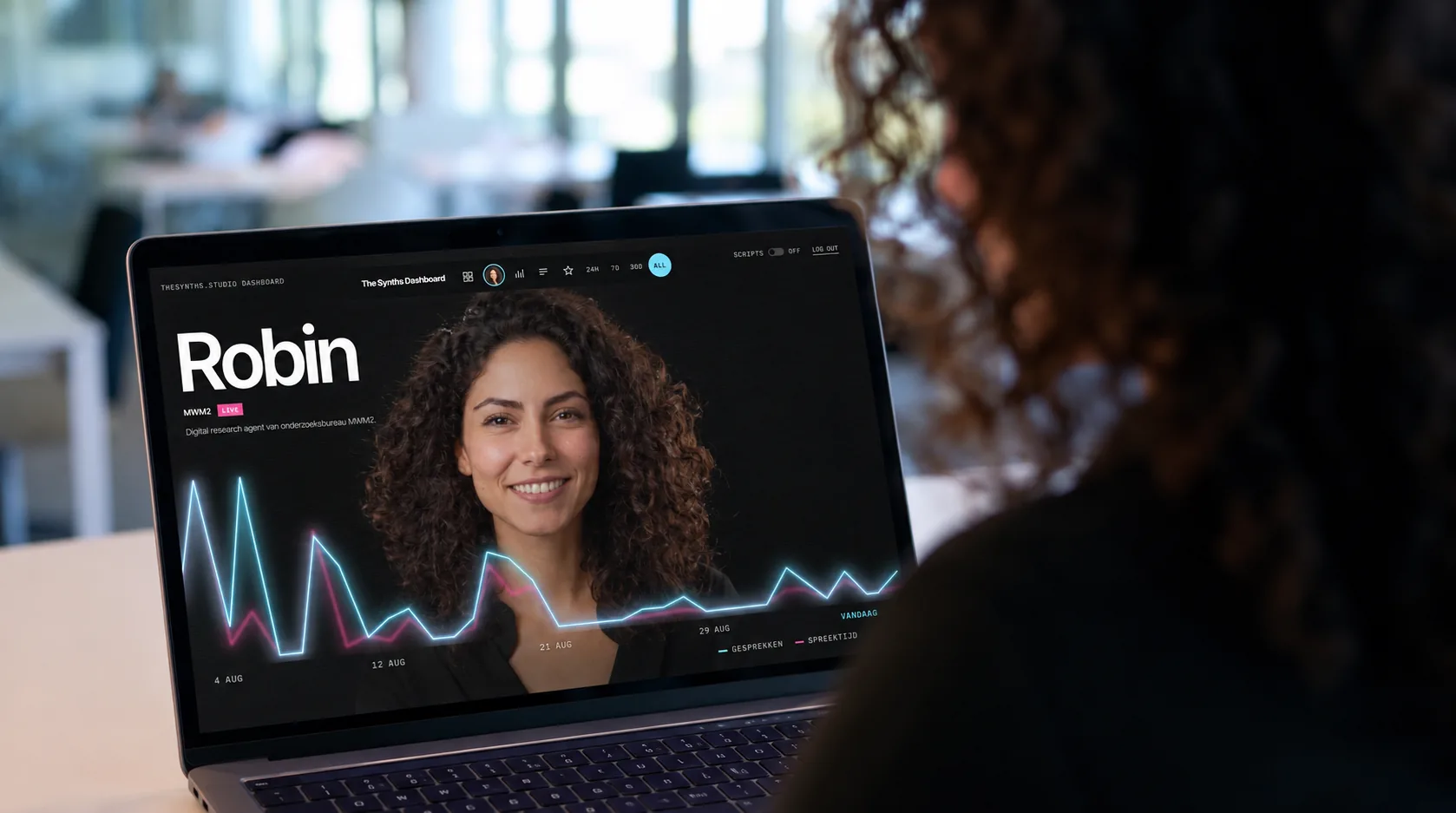
Live dashboard on our own EU servers. Conversations, feedback, trending topics, straight into your marketing.
Guides, motivates and trains. Personal, at scale.
Seamless on desktop, tablet and mobile, including a native video call on smartphone.
GDPR compliant and EU AI Act ready by design. All session data stored securely within Europe.
The face in your videos. New content the same day, in any language, without a shoot.
how we work
An avatar isn't a digital human.
Bringing your Synth to life is phase one. Keeping it sharp is phase two.
We pin down where a Synth makes the difference: brand, audience, goals and KPIs. Then we design the personality, the voice and the visual identity.
Face, voice and character through Synthesis. We build the infrastructure and structure the knowledge base, connect your systems, train the model and set up the landing page. Legal support included.
Creative campaign, PR, media and influencers. We don't just put your Synth live, we make sure the right people meet it. Web, kiosk or mobile.
trust & control
Conversations are never used to train models. Not ours, not anyone else's.
Processing and storage on European servers. No transfer to third countries.
One voice owner, tiered responses, and a switch only you control.
Built in-house in Amsterdam. We know what every component does and where it runs.
Everyone knows they're talking to a digital human. Clear disclosure, explainable AI.
GDPR, the EU AI Act and DPAs sit in the design, not in an appendix.
The Synths works in portrait on your device
the synths studio
The Synths — about
We build digital humans for brands and icons.
A face, a voice and a character that holds a real conversation and stays recognisably itself everywhere your audience meets it. On your site, in a campaign, in a reel, on a billboard.
Seventeen built so far. Among them the digital clone of Ruud Gullit, brand personalities for MediaMarkt and Hogeschool Inholland, and the virtual James Parkinson, who answers questions from patients and their families around the clock, in any language they ask in.
Not a chatbot with a face. Your brand, truly personified.
Social from 2004. Influencer marketing from 2010. PR throughout.
Twenty years on one question, long before it became everyone's question: what makes an audience believe a person? Which faces travel and which stall. Why credibility survives a commercial partnership in one case and collapses in another.
We have invented characters from nothing for brands, and represented real people faithfully for creators and public figures. Those are two different crafts, and almost nobody in this field has done both.
All of it converges in a Synth. Not a repositioning. The same work, in a new form.
We start from strategy, not from a face. Most avatar work begins with a render and looks for a purpose afterwards. We begin where any brand project begins: what is this for, who is it for, and what does the brand actually stand for. The face is an output of that.
Realism and character, held to a standard. A face that is almost human is worse than one that is obviously stylised, so we do not ship into the uncanny valley even when a client would accept it. And character is built rather than described. Character Code turns a brand or a person into one steerable character model, grounded in established behavioural science, with every trait traceable to something they actually said or did.
Content, not only conversation. A Synth is a face that carries a content strategy. Reels, explainers, campaigns, product pages, television. Brands have wanted one recurring face for a century and have always had to rent an actor to get it. We know how a face performs in a feed, because that is the business we came from. A studio that can build a face but has never had to make one perform is solving half the problem.
Vision to product, fast. The distance between an idea and a shipped feature is short here, and it compounds. A Synth today shows products, specifications and comparisons inside the conversation. It schedules, hands over downloads, acts on a call to action, and reports back through a live dashboard. None of that existed in the first builds. What you launch with is not what you will be running in a year, and the additions arrive without you having to commission them.
Synthetic (adj.): made by people, using science, instead of grown or formed by nature.
A synthesizer does the same to sound. It takes something real and shapes it into something new. Same idea, another medium.
Science fiction already had the word. In Blade Runner and Alien, the crafted almost-humans were called Synthetics. Or Synths.
We just made them real.
The Synths. digital human studio. Amsterdam.
contact
For press, partnerships or questions about our work. Write your message below and we'll get back to you soon.
born in amsterdam. global impact.
the synths vault
Real-time statistics, insights and analysis reports on your digital human.
Data stored safely within Europe
Incorrect access code
digital human insightsinsights

We built this business by accident. Here is the honest version of how.
When we started the unit at Hibou at the end of 2024, the plan was influencer marketing. Digital humans were the thing we kept in our back pocket. Something to raise at the end of a meeting, if the room seemed ready. We assumed most rooms would not be.
We were wrong about that, and it turned out to be the best thing that happened to us.
None of this started in 2024. Our founder John Meulemans has been building influencer campaigns since 2010, at an agency that grew into a group and picked up awards for both creativity and effectiveness along the way, for brands including Danone and Toyota. Those two words matter in that order. Work that wins on creativity and does nothing is decoration. Work that performs and looks like everything else gets ignored.
Somewhere around 2018 the virtual influencer question started getting interesting. So he built a digital clone of himself to see how far the technology had come.
The answer was: not far enough. It was expensive, it was slow, and it sat squarely in the uncanny valley. Close enough to human to be unsettling, not close enough to be believed. The idea was right. The tooling was five years early.
That failure is the reason we know what we know now. We were not waiting for a trend. We were waiting for the technology to catch up with something we had already tested and watched break.
By late 2024 the pieces had moved. Faces held up. Voices held up. Latency dropped to the point where a conversation felt like a conversation.
So when John joined forces with Matthijs Rutten at Hibou to build a new unit, the pitch was influencer marketing with something extra. We would lead with what clients already understood and keep digital humans in reserve.
Clients kept reaching for the reserve.
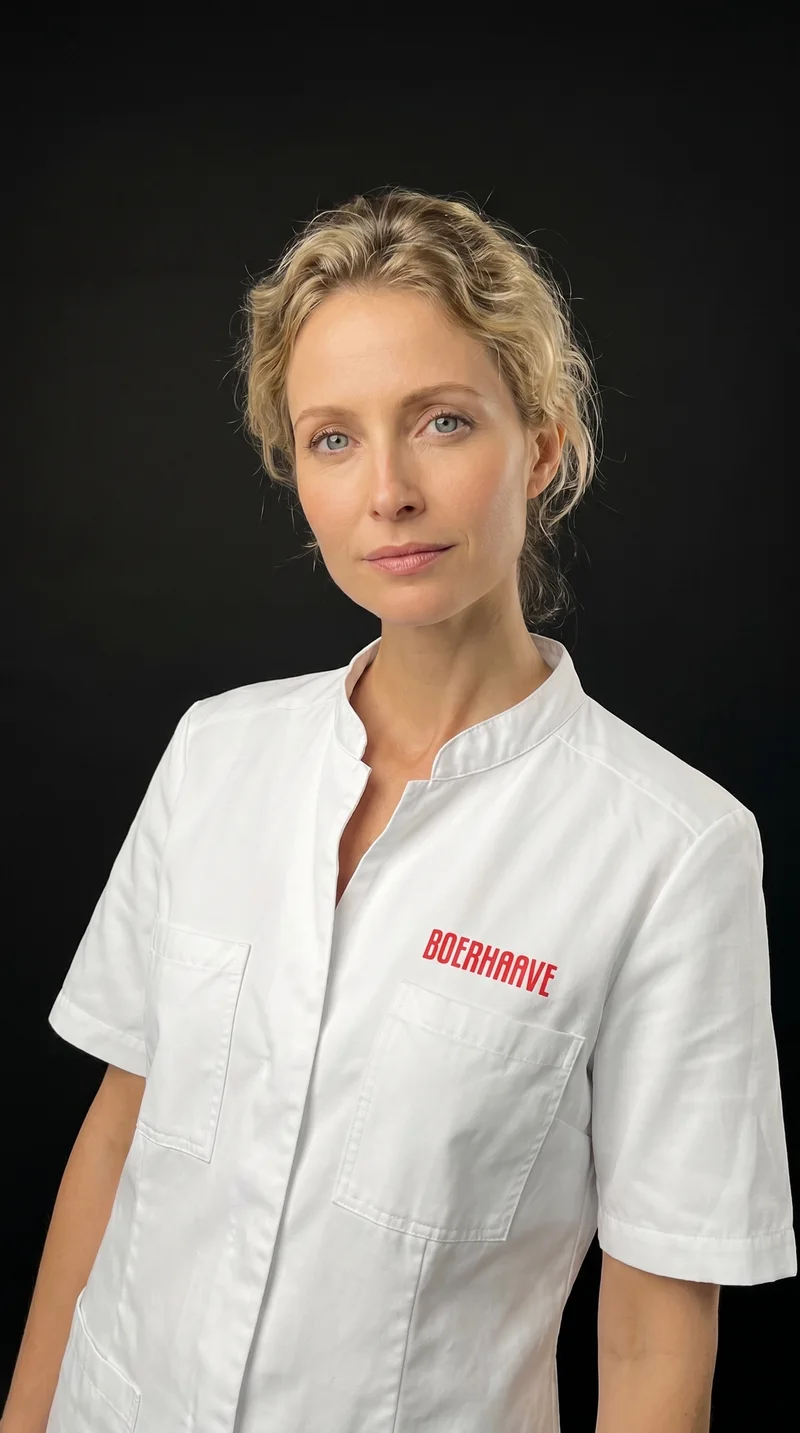
Bo for Boerhaave Kliniek. Bas for TAF. Indy for Inholland. Charlie for CNV. Henri for Home Made By. Imke for Marketingfacts. Johan for Leef met ALS. Virtual James Parkinson. Marco for MediaMarkt. Robin for MWM2. And Ruud Gullit, which took us international.
Seventeen Synths later, the side offer was the main event.
One. It was crowding out the neighbours. Hibou is a PR and influencer agency and a good one. But the digital human work generated the events, the publications and the inbound. People started asking Hibou whether it still did PR at all. When one proposition starts obscuring another, you have a naming problem, not a marketing problem.
Two. The work went international. An international brand, or an icon with a global profile, does not want to land on the site of a Dutch agency and click twice to find the thing they came for. Hibou is French for owl. Charming, and not what someone searching for a digital human studio types into a browser.
Three. This is a different business. Influencer marketing is about borrowing credibility that someone else built. What we do is help a brand build its own and keep it. Related disciplines, different economics, different buyers. They deserve different front doors.
A digital human studio. We build Synths for brands and for icons: a face, a voice and a character that stays consistent across every place your audience meets it.
Not a chatbot with a portrait attached. Not a mascot. Not an avatar. A character with a name and a point of view that people come back to, built on a method we can show you rather than a demo we ask you to trust.
Influencer marketing stays at Hibou, where it belongs and where it is done well.
Everything else moves here.
Book a meeting with our team right away.

A tone of voice document tells you how to write a headline. It does not tell you what to say at two in the morning when someone asks something awkward.
That gap is the problem we built Character Code to solve.
Every brand has guidelines. Almost all of them describe surface: word choices, things to avoid, three adjectives on a slide. Useful for a copywriter with time to think. Useless the moment a brand has to answer thousands of unscripted questions in real time and sound like itself in every one of them.
A person does not consult guidelines to stay in character. They have a character. That is what we build.
One steerable Brand Character Model. It decides how your Synth speaks, what it reaches for, where it pushes back and what it refuses, and it does that the same way on your website, in your app, in a campaign and in a shop.
Not a personality described in prose. A model with dimensions you can inspect, argue with and adjust.
Sources. We take in everything the brand has actually said and done. Not the brand book, which describes intent. Published copy, campaigns, customer service transcripts, founder interviews, internal documents, product decisions. Behaviour over intention, every time.
Fingerprints. We isolate the distinctive moves. Every brand has verbal and behavioural habits it does not know it has, and those idiosyncrasies are what make a character recognisable. Generic warmth is not a fingerprint. A specific way of handling bad news is.
Patterns. Fingerprints get grouped into consistent tendencies. This is where you find out whether what the brand book claims is what the brand does. It usually is not, and that conversation is often the most valuable part of the project.
Evidence. Every trait in the final model has to be traceable to something the brand actually said or did. No trait survives on assertion. If we cannot point to the source, it comes out.
Model. The result: one character model, steerable and versioned, that drives every response.
Multi-source. Five stages. One model.
We did not invent a personality framework. Inventing one would have been faster and considerably less defensible. Character Code sits on four established models in personality and behavioural psychology.
HEXACO gives the trait structure, including an honesty-humility dimension that most personality models leave out. For a character that has to be trusted, that dimension is not optional.
Schwartz Values covers what the character actually cares about, and where its values conflict. Real characters have tensions. A brand that values both tradition and innovation has to know which one wins when they collide, because sooner or later they will.
The Interpersonal Circumplex handles relational stance: warm or cold, dominant or deferential. This is what makes a Synth feel like an advisor rather than an assistant, or the other way round if that is what you need.
Self-Determination Theory covers motivation, which is what stops a character being a static description. It explains why the character does what it does, which is what lets it handle a situation nobody scripted.
It is not a guarantee that people will find your Synth interesting. Character consistency is a floor, not a ceiling. A perfectly consistent boring character is still boring, and no framework fixes a brand with nothing to say.
It is also not a substitute for governance. Knowing how the character should behave and controlling what it is allowed to say are separate problems, solved separately. One voice owner, tiered response classification, a kill switch you control. Different post.
And it is not automated. The model is built by people, reviewed by people, and signed off by the client before anything goes live.
Because it is the part that does not transfer.
Faces and voices are getting cheaper every quarter. What holds is the character underneath: the reason a Synth still sounds like your brand three years and four model upgrades from now.
We show the method rather than only the output, because the method is the thing worth judging us on.
Book a meeting with our team right away.
Three mechanics explain the whole category. None of them is magic, and all of them are testable.
A digital human does not persuade because it looks real. Realism is a variable, not the point. It persuades because of three things behavioural science documented decades before any of this was buildable.
Knowing the mechanics matters for a practical reason: they also tell you exactly when the thing fails.
A logo is something you recognise. A face is something you get to know.
Parasocial interaction describes the one-sided relationship an audience forms with a character they see repeatedly. It is why people talk about a television character as if they have met them, and why influencer marketing worked in the first place. Familiarity plus a consistent point of view produces something that feels like a relationship, even though it only runs in one direction.
Brands have spent decades trying to manufacture this with mascots and endorsements. A Synth gets there differently: same face, same voice, same character, showing up in enough places and often enough that recognition turns into familiarity.
The implication for anyone building one: a character that changes personality between the website and the campaign never accumulates anything. Consistency is not a nice-to-have. It is the entire mechanism.
We bond faster with things that feel human. That part is well established and unsurprising.
The warning is that the curve is not straight. Increasing realism increases connection right up to the point where it collapses. Almost-human reads as wrong, and wrong reads as untrustworthy.
Which produces the most useful sentence in this field: a cartoon M&M outperforms a digital human stuck in the uncanny valley.
We say this even though we sell realism, because it sets the bar for our own work. Either you clear the valley or you do not go near it. A half-convincing face is worse than an obviously stylised one, and the brands that get burned in this category are almost always the ones that stopped at 80%.
The third mechanic runs the other way, and it is the one most people miss.
We extend a particular kind of trust to machines. Same output every time. Never tired, never distracted, never having a bad Tuesday. No personal agenda, no commission to earn, no reason to steer you.
That trust is real and it shows up in the numbers. Consumers report being three times more trusting of retailer-owned AI tools than of other AI shopping platforms (Bain & Company, February 2026). In a 2023 study by HypeAuditor, virtual influencers scored higher than their human counterparts on trust, expertise and intent to buy.
It is also fragile. Machine trust is granted on the assumption of consistency and no hidden agenda. Break either one and it does not degrade gradually, it snaps.
Put them together and you get the actual proposition. Parasocial interaction builds familiarity over time. Anthropomorphism sets the quality bar you have to clear. Machine heuristics deliver a form of credibility a paid human endorser cannot.
That last part is worth sitting with, because the trust market is moving. The 2026 Edelman Trust Barometer found 76% of insular consumers trust “someone like me” for information about a brand, while 42% actively distrust celebrity endorsements. The same research puts unpaid voices at five times the power of paid brand messaging.
Borrowed credibility is getting more expensive and working less well. Owned credibility compounds.
Fair is fair, so here is the counter-case.
It fails when the face lands in the valley. It fails when the character drifts between touchpoints, because familiarity never accumulates. It fails when the Synth is quietly a support agent wearing a face, since people work out within three exchanges that they are being deflected rather than helped. And it fails when a brand treats it as a campaign, because the mechanics described above all run on time.
Three mechanics. Four failure modes. No magic anywhere.
Sources: Bain & Company, February 2026. HypeAuditor, 2023. Edelman Trust Barometer, 2026.
Book a meeting with our team right away.

Almost everyone calls it an avatar. We don’t. The difference is not the word, but who holds the conversation.
‘AI avatar’ covers three very different things. A figure: the character that represents you in a game or a VR space. A talking video: you type a script, a tool like HeyGen or Synthesia adds a face that reads it out. And a chatbot with a face: a text bot with an animation in front of it.
A digital human is none of the three. It is an AI personality with a face, a voice and a defined character that holds the conversation itself, from a knowledge base you manage. It can also make scripted content. But the difference is the conversation you cannot know in advance.
Who holds the conversation? An avatar says what you give it. A digital human listens, understands the question and answers from what it knows, even when nobody saw that question coming. That is the moment a visitor notices whether they are talking to a clip or to someone.
Where does the character come from? For an avatar, from a style guide: three adjectives and a tone of voice. For a digital human, from a character model. We call it Character Code: how it thinks, reacts and advises, identical in every conversation, on every channel.
Who owns it? An avatar you rent from a tool, alongside thousands of others who can pick the same face. A digital human is yours: one owner of the voice, a knowledge base on European servers and a kill switch in your hands.
Often. An internal explainer, a weekly update, a script that does not change anyway: there an AI avatar is faster and cheaper, and you should simply use one. A digital human only becomes the better choice when the answer is not fixed in advance. A customer choosing a washing machine. A student with a question that was not asked at the open day. A patient at three in the morning.
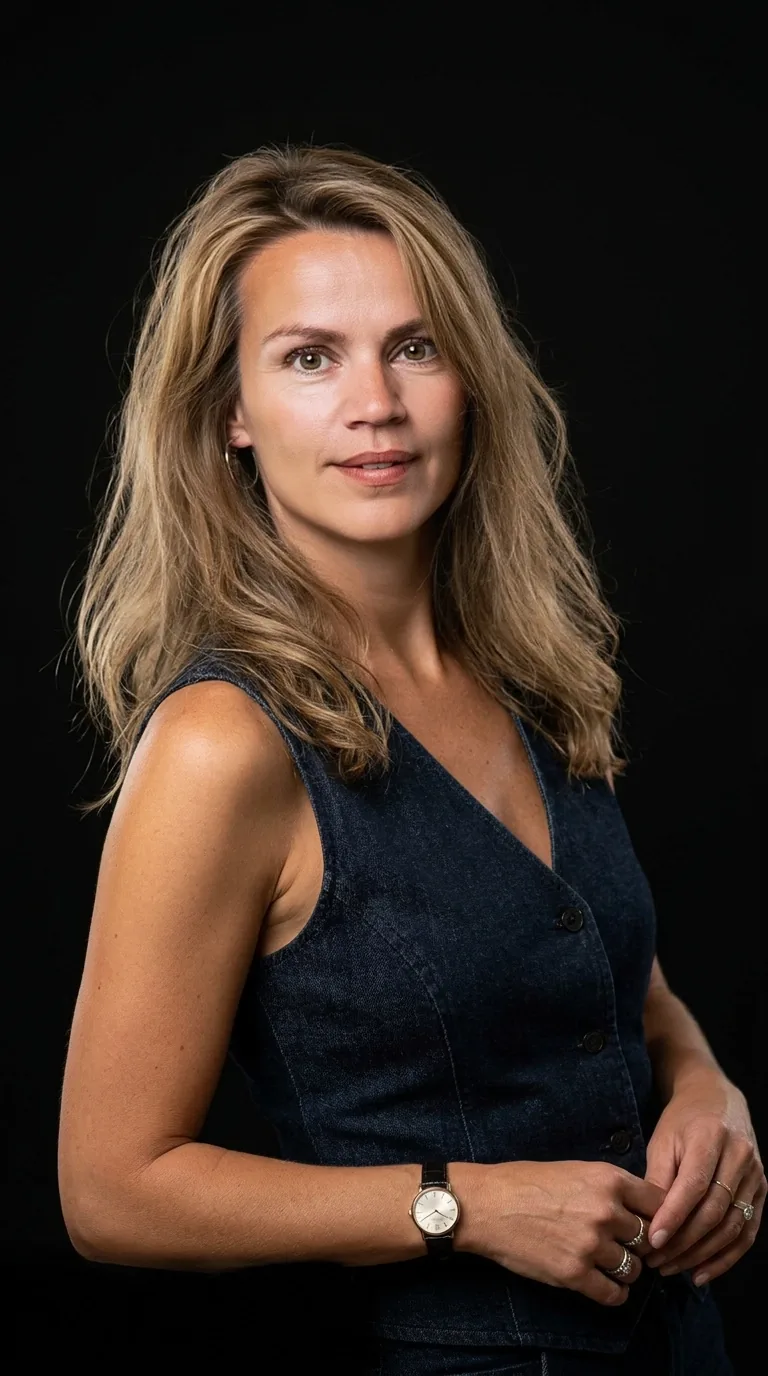
A digital twin, also called an AI clone or digital clone, is a digital human based on a real person. Anyone can copy a face and a voice these days; what makes a twin a twin is that it also thinks and talks like the original, and that the original keeps the licence. That is how it works for Ruud Gullit, for Imke Walenberg of Marketingfacts and for dermatologist Marjolein Leenarts.
Because the word sets the expectation. Whoever hears ‘avatar’ expects a figure, and behaves accordingly. Whoever talks to Charlie of CNV or Marco of MediaMarkt talks to someone. That expectation is exactly where the work is, and exactly why we call it a digital human.
Book a meeting with our team right away.

You ask a question to a face on a screen. It pauses for a moment, thinks, and answers. No menu, no script full of stock phrases. Just a conversation. That’s a digital human.
More and more organisations are putting one to work, not as a gimmick, but as a permanent member of the team: someone who explains, sells, informs or simply puts a face to a brand, around the clock.
Time to explain what a digital human actually is, and why it’s so much more than a talking avatar.
A digital human is an AI personality with a face, a voice, and behaviour that feels convincingly human. You can base him on someone real, an expert or a familiar face, or build a fully fictional character that fits your brand exactly.
Use him for scripted content and you get a story that’s always accurate and always on-brand. Connect a knowledge base and it gets more interesting: he holds a real conversation, live, with anyone who has a question.
You will come across other names too: AI avatar, virtual human, AI agent with a face, digital employee, and for a copy of a real person digital twin or AI clone. We say digital human, because the word avatar usually means a figure or a talking video, and this is a personality that holds the conversation itself.
A chatbot is text in a little window. Functional, sometimes useful, but nobody feels at home there.
A digital human is human, visual and relational. He looks at you, responds to your tone, and builds something in a few sentences that feels like a conversation rather than a form.
Research backs up what already feels intuitive: people build a deeper bond with a virtual personality than with a chatbot. That bond translates into more engagement, and a higher intent to buy.
Under the bonnet, a digital human is made of two layers: the brain and the body.
The brain is your knowledge. Not random data scraped from the open internet, but a defined knowledge base: your brand story, your products, your service protocols, your reports and annual accounts, the rules of your sector. Everything the digital human says comes from there. No hallucinations, no scraping, no surprises.
The body is the personality. Age, style, expression, pace of speech, a voice in over a hundred languages: you decide, so the character fits whoever you’re trying to reach. Not an avatar impersonating your brand. A face representing it.
There’s psychology behind it, and it’s surprisingly simple.
People build a personal bond with someone they don’t actually know. It happens with a pop star, and it happens even more strongly with a lifelike digital human telling a good story. That’s called parasocial interaction, and it increases engagement, brand preference and loyalty.
People also naturally assign human traits to things that aren’t human. A robin that happens to land on a branch nearby just as you’re feeling sad can feel like it’s come to comfort you. With a warm, friendly digital personality, that feeling is even stronger. It makes people more open to the conversation.
Then there’s trust in technology itself. People see a machine as consistent and unbiased: it doesn’t just lie. Once it’s clear you’re talking to AI, and that the AI works from controlled knowledge, trust actually goes up. Especially with factual questions and complex information, people find a digital human more reliable than they might expect.
Perhaps the most surprising part: research shows AI responses sometimes come across as more empathetic than a human’s. Not because a digital human feels anything, but because he’s never tired, stressed or rushed, and always actively thinking through a solution with you.
Enough theory. Here’s what it looks like in practice.
Virtual James Parkinson is a fictional doctor, inspired by the British physician who first described the disease over two hundred years ago. Built on 25 years of scientific knowledge, he explains Parkinson’s to patients and families, day and night.
Digital Johan is the digital clone of Johan Foliant, who has lived with ALS for 18 years. His knowledge and experience, including his own voice, are ready to help fellow patients on the days Johan can’t do it himself.
Digital Imke is the digital clone of Marketingfacts editor-in-chief Imke Walenberg. Talk to her about the Marketingfacts Yearbook and it feels like Imke herself is sitting across from you.
Henri explains internally at Home Made By how processes, tools and customer journeys fit together, so every franchisee gets the same explanation.
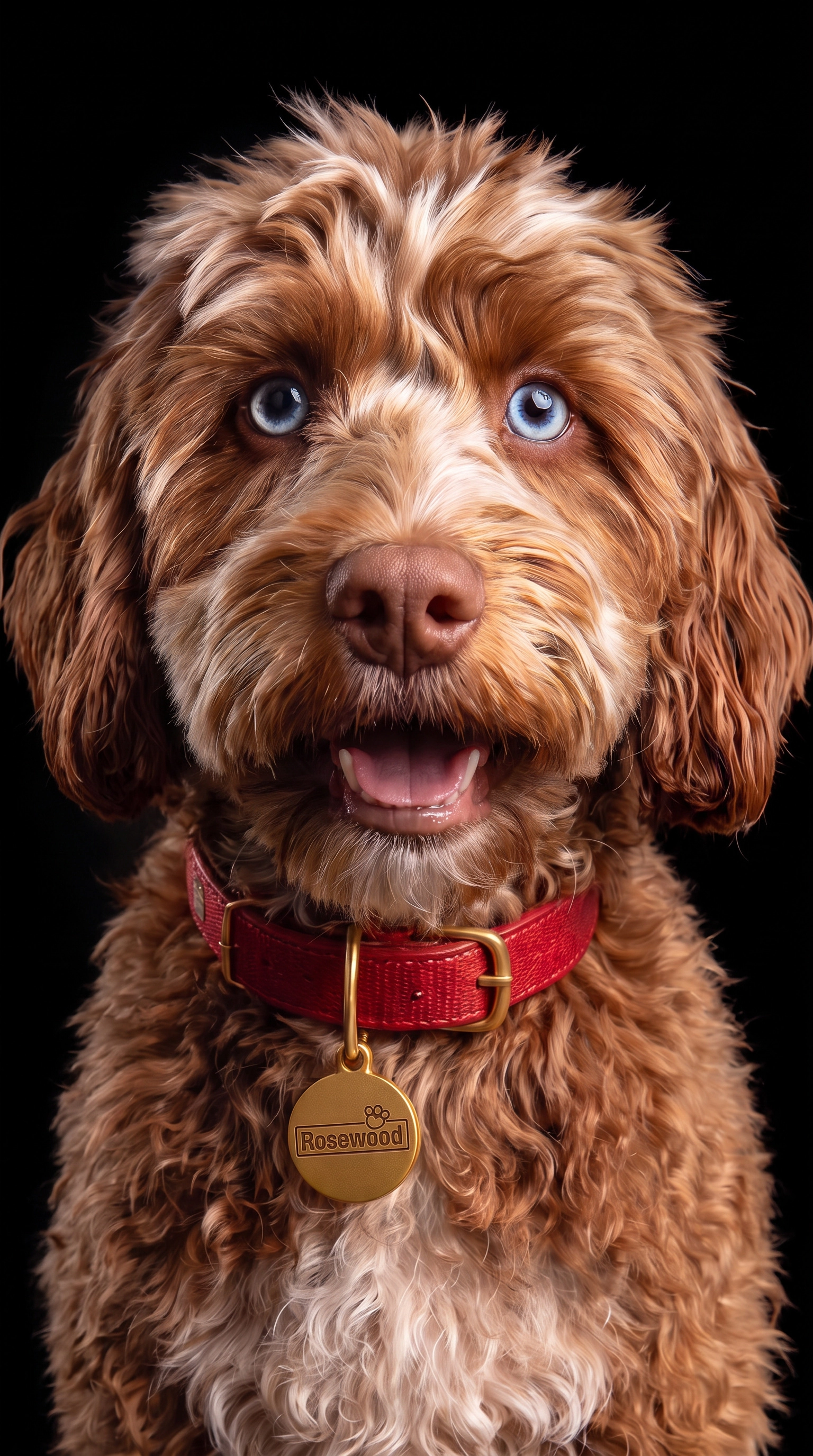
Kairo is the world’s first digital dog to front a brand. On behalf of dog treat brand Rosewood, he shares tips and tricks for dog owners, complete with his own TikTok and podcast.
And then there’s Lara: our own digital colleague at The Synths, who thinks along with organisations about where a digital human makes the difference.
A digital human doesn’t replace people. He takes over work that’s repeatable and scalable, not the work that needs humanity. Strategy, emotion, authenticity: that stays human work.
What a digital human does do: make knowledge accessible, reduce workload, generate leads, and strengthen the bond with your customers. On the moments you can’t be there yourself.
A chatbot answers in text, inside a limited script. A digital human has a face, a voice and behaviour that feels human, and can hold a real conversation instead of following a fixed flow.
No. A digital human takes over repeatable, scalable work. The things that need real humanity, emotion, authenticity, stay with your people.
A digital human’s voice works in more than a hundred languages, so the same personality can serve very different audiences without losing consistency.
Yes. Hosting runs exclusively on European servers, fully GDPR-compliant, with a human-in-the-loop and an audit trail for every change to the knowledge base.
An AI avatar is usually a talking video or a figure: you hand it a script and it reads it out. A digital human holds the conversation itself, live, from a knowledge base and a defined character. It can also produce scripted content, but the difference is the conversation.
Yes. A digital twin, also called an AI clone, is a licensed copy of a real person: face, voice and, through Character Code, the way of thinking and speaking. You remain the owner and decide where it does and does not appear. That is how it works for Ruud Gullit, Imke Walenberg and Marjolein Leenarts.
That depends on the role and the reach: a digital human for one campaign is a different thing from an advisor who is on your site 24/7. Phase one (strategy, build and launch) is a project; phase two (keeping knowledge, content and technology sharp) an ongoing collaboration. In a first conversation we give you a tailored estimate.
The question is no longer whether digital humans deserve a place inside organisations. Adoption rates of 25 to 40% a year show that question’s already been answered.
What’s left is where he’ll make the difference for you.
Book a meeting with our team right away.
live demo
terms
Lara is an AI, a digital human and not a real person. Answers may be incorrect. Your email address is not shared with an AI. Your name, company name and transcripts of the conversation may be stored and processed as described in our Privacy Policy. Do not use Lara if you do not agree.
book a meeting
Book a meeting with The Synths. Leave your details and we'll email you to schedule a time.
get a demo
Get a free demo of a digital human in your inbox.
AI-generated